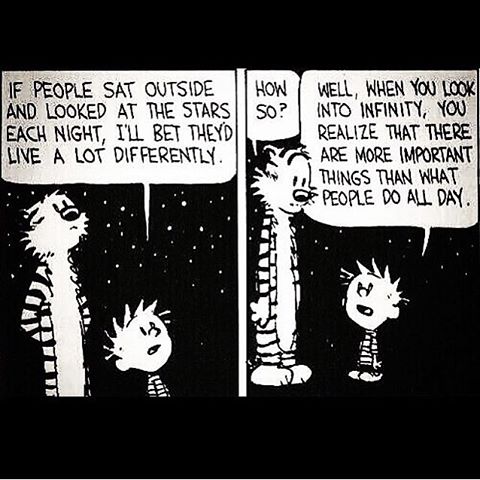
"Truth matters because we are the only species we know of that has the ability to find it out. In a way that makes it almost a duty to do so." Ophelia Benson, Jeremy Stangroom

Why should religious people have the most beautiful buildings in the land?’ he asks. ‘It’s time atheists had their own versions of the great churches and cathedrals... You can build a temple to anything that’s positive and good. That could mean: a temple to love, friendship, calm or perspective... Even the most convinced atheists tend to speak nicely about religious buildings. They may even feel sad that nothing like them gets built nowadays. But there’s no need to feel nostalgic. Why not just learn from religions and build similarly beautiful and interesting things right now?

John Ruskin proposed that we seek two things of our buildings. We want them to shelter us. And we want them to speak to us - to speak to us of whatever we find important and need to be reminded of.What a load of expectation to place on any mere human construction. But those two buildings in New England reminded me how important it is to have a place to hang not just your hat, but your head too.

 Poor old Schopenhauer (1788-1860), Scrooge and Sourpuss, victim of his own wan and withering emotions. At least Nietzsche eventually got over the petulant, purposeless rage against fate that kept his former hero sunk in a lifetime of pessimism, isolation, and despair. But from the vantage of mellow Jamesian meliorism, both resembled rodents.
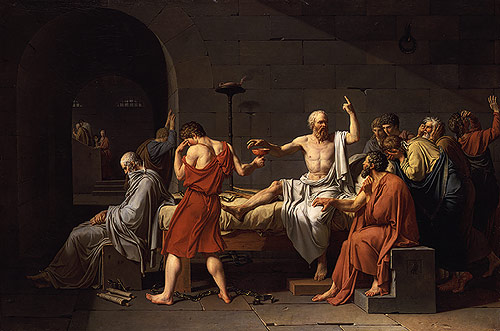
We're really beginning to look like an Art History seminar, aren't we? From the Thinker to the Wanderer, now to the courageously and cheerfully dying Questioner.
Alain de Botton found Socrates at the Met not long before me. Jacques-Louis David's 1786 "Death of Socrates" is an impressive, imposing piece, well worth postponing a Nesquick for. In Consolations of Philosophy he attests to another philosopher steeped in self-confidence against the onslaught of hysterical opposition, a rational confidence "grounded in philosophy," extending to us all "an invitation to intelligent skepticism."
Socrates was unpopular with the unreflective crowd, still a majority of his peers (and judges). But that didn't faze him, and it shouldn't faze us (though of course it often does). "Errors in our thought and way of life can [never] be proven simply by the fact that we have run into opposition. What should worry us is not the number of people who oppose us, but how good their reasons are for doing so." (That's an observation that should buoy the President's resolve on reforming health care, btw... but I hope he reads Michael Pollan on the subject too.)
This unwashed gadfly was prepared to hear (and evaluate) everyone's arguments. But he did not think that everyone's opinions were equally respectable. A bad argument is a bad argument, from whatever source. "One should respect the good ones..."
His accusers prosecuted him with atrocious arguments, yet he acceeded to the will of the majority and drank his hemlock. Bad choice, if you ask me. "We should not look to Socrates for advice on escaping a death sentence; we should look to him as an extreme example of how to maintain confidence in an intelligent position which has met with illogical opposition."
Has anyone had a better idea about happiness in 2,000 years? What's more important than "pleasure"?


"Hello, babies. Welcome to Earth. It's hot in the summer and cold in the winter. It's round and wet and crowded. At the outside, babies, you've got about a hundred years here. There's only one rule that I know of, babies—God damn it, you've got to be kind." God Bless You, Mr. Rosewater (and see Mr. Rogers, below)

"Love may fail, but courtesy will prevail."
Jailbird, prologue

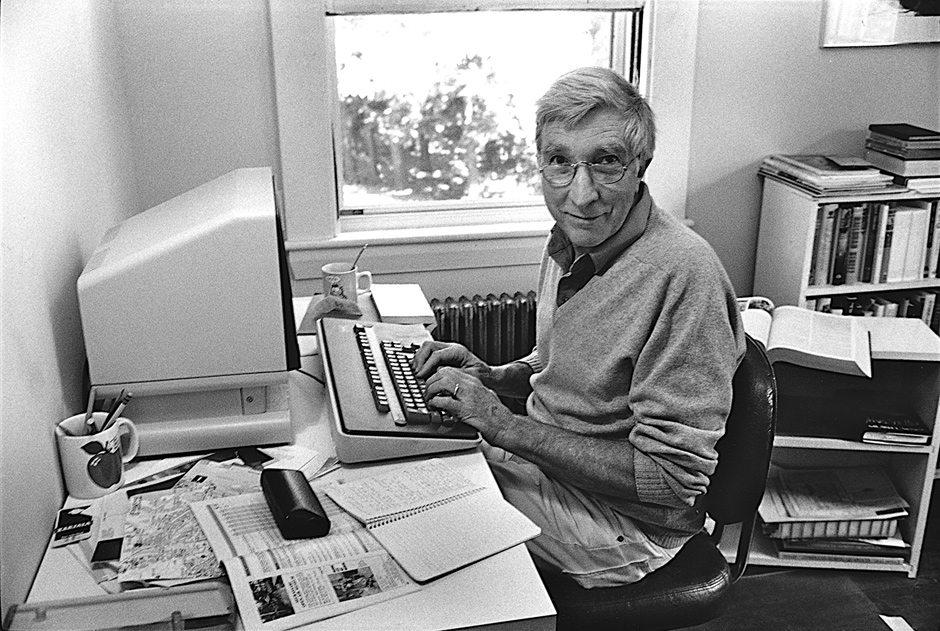
When asked in 1978 about his writing process, Updike said, “I’ve never believed that one should wait until one is inspired because I think that pleasures of not writing are so great that if you ever start indulging them, you will never write again.”
After the birth of his third child, he had rented an office above a restaurant in Ipswich, and spent several hours each morning writing there. Throughout his 50-year career, he remained devoted to that schedule, writing about three pages every morning after breakfast, sometimes more if things were going well. He said: “Back when I started, our best writers spent long periods brooding in silence. Then they’d publish a big book and go quiet again for another five years. I decided to run a different kind of shop.” WA


 | Alain de Botton (@alaindebotton) |
Why ‘Earthrise’ Matters thebookoflife.org/why- | |
 | Five Books (@five_books) |
The 'father of science fiction' HG Wells suffered terribly from class anxiety. Huxley and Woolf thought him 'vulgar' == Five books on... | |


 Charles Darwin (@cdarwin)1/11/15, 6:51 AM
"And maybe this is what I have learned more than anything from my great-great-grandfather: to keep my eyes and my mind open, to enjoy the wonders of nature and never cease to ask questions." Sarah Darwin, foreword to "A Modest Genius: The story of Darwin's life and how his ideas changed everything" by Hanne Strager

 Posts
All Comments


 Posts
All Comments